 Skip to content

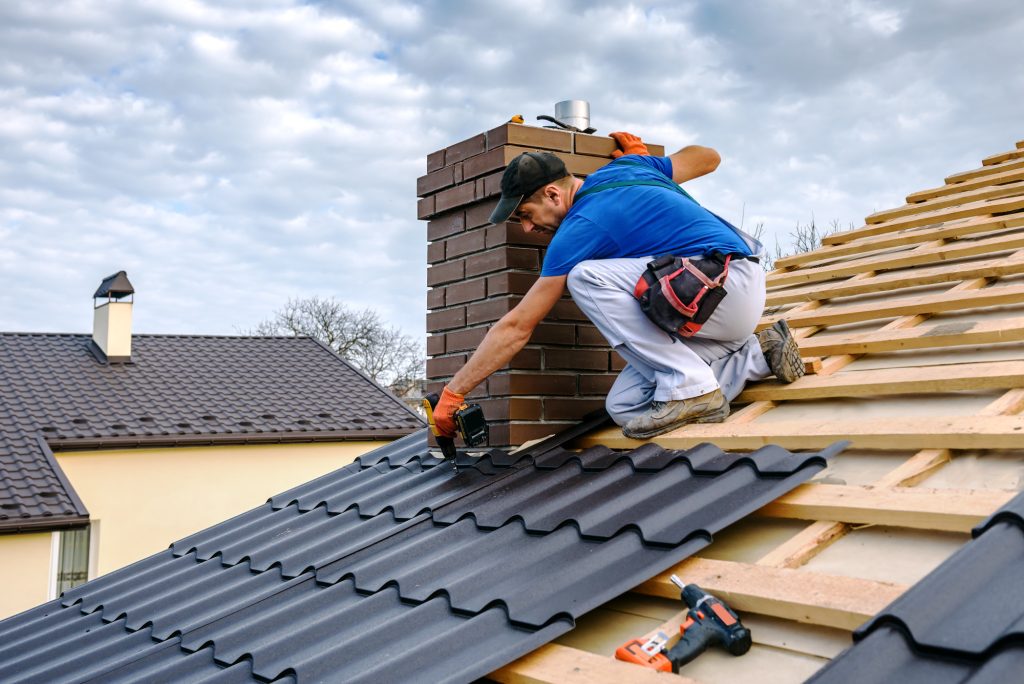
Replacing a roof is one of the most significant investments a homeowner can make, and understanding the roof replacement cost is key to budgeting effectively. Costs vary widely depending on factors like roof size, material type, labor, and additional repairs. Whether your home needs a minor update or a full replacement, accurately estimating the cost ensures you can plan financially and avoid surprises. In this guide, we’ll break down how to calculate your roof replacement cost, what to consider, and how to get the most value from your investment.
Why Estimating Roof Replacement Cost Matters
Homeowners often underestimate the total cost of a roof replacement, leading to budget shortfalls or rushed decisions. By carefully evaluating the components that contribute to the final price, you can make informed choices. Understanding the average roof replacement cost also helps you recognize fair pricing in your area, so you don’t overpay for materials or labor.
Accurate estimates also allow you to prioritize upgrades, choose the best materials for your home, and schedule your project at a time that fits your budget. For homeowners in Gresham, Oregon, companies like West Coast Roofers provide professional guidance to help homeowners navigate these calculations while ensuring quality results.
Calculate Roof Replacement Cost Per Square Foot
One of the most reliable methods to estimate a roof replacement is by calculating the roof replacement cost per square foot. Start by measuring the total area of your roof in square feet. Roofing costs are typically expressed per square foot, which makes it easier to compare estimates from different contractors.
For example, if asphalt shingles cost $4 per square foot and your roof is 2,000 square feet, the material cost alone would be around $8,000. Keep in mind that additional factors, such as roof complexity, pitch, and removal of old materials, can increase the total cost. Using this method gives homeowners a clear baseline for budgeting and helps avoid unexpected expenses.
Understanding Roofing Materials Cost Comparison
Roofing materials vary significantly in cost, lifespan, and appearance. A roofing materials cost comparison allows you to make a choice that balances budget and durability. Common options include:
- Asphalt Shingles: Affordable and widely used, with a lifespan of 20–30 years.
- Metal Roofing: More expensive initially but extremely durable and energy-efficient.
- Tile Roofing: Offers a long lifespan and aesthetic appeal, typically used in warmer climates.
- Slate Roofing: High-end option with excellent durability but high installation costs.
Knowing the costs associated with each material type helps you estimate the total investment and align your choice with your home’s design and long-term goals.
Factor in Roof Replacement Labor Cost
Labor can make up a significant portion of the total roof replacement expense. Roof replacement labor cost depends on the size and complexity of your roof, local wage rates, and the experience of the contractor. Steeper or irregular roofs often require additional safety measures, which increase labor costs.
Obtaining multiple quotes from certified roofing companies ensures you receive competitive pricing while maintaining quality workmanship. Experienced professionals, like those at West Coast Roofers, can identify hidden issues such as water damage or weak underlayment that may add to your labor costs but prevent future problems.
Consider Signs You Need a New Roof
Before calculating costs, it’s essential to assess whether a roof replacement is necessary. Signs you need a new roof include:
- Curling or missing shingles
- Leaks or water damage inside the home
- Sagging roof sections
- Granule loss from shingles
- Increased energy bills due to poor insulation
Recognizing these warning signs early allows homeowners to budget for replacement before minor issues become major expenses. Roof inspections by professional contractors can provide an accurate assessment and help prioritize repairs or full replacement.
Additional Costs to Consider
While materials and labor are the primary factors, other costs can influence your final roof replacement estimate:
- Removal of Old Roofing: Some roofs require extensive tear-off, which adds to the cost.
- Structural Repairs: Damaged decking or framing may need replacement.
- Permits and Inspections: Local regulations can affect project timelines and pricing.
- Gutters and Flashing: Updating these elements during a replacement can improve longevity and prevent water damage.
Factoring in these elements ensures a comprehensive and realistic estimate of your roof replacement cost.
Tips for Accurate Roof Replacement Estimates
- Measure Twice: Confirm the square footage and slope of your roof.
- Compare Multiple Quotes: Obtain at least three estimates from licensed contractors.
- Research Material Prices: Check current market rates for shingles, metal, or tiles.
- Account for Extras: Include labor, permits, and potential repairs in your calculations.
- Plan Ahead: Budgeting a contingency fund of 10–15% helps cover unexpected costs.
By following these steps, homeowners can confidently plan a roof replacement without overspending. Professional services like Residential Roofing Replacement Services in Gresham, OR offered by West Coast Roofers make the process straightforward and stress-free.
Conclusion
Estimating roof replacement cost accurately involves more than just multiplying the square footage by material prices. By considering labor, materials, roof condition, and potential repairs, homeowners can get a realistic picture of the total investment. Using professional services, comparing materials, and recognizing the signs of roof damage ensures your home remains protected while staying within budget. Proper planning today can save thousands of dollars and prevent future headaches.
FAQs
- How much does a typical roof replacement cost?
The average roof replacement cost varies by material and location but typically ranges from $5,000 to $15,000 for most residential homes. - Can I estimate roof replacement cost myself?
Yes, by measuring your roof, choosing materials, and factoring in labor costs, you can get a rough estimate, though professional quotes are recommended for accuracy. - Does roof complexity affect replacement cost?
Absolutely. Steep or irregular roofs, multiple chimneys, or skylights increase labor time and safety requirements, raising the overall cost. - How long does a roof replacement take?
Most residential roof replacements are completed within 2–7 days, depending on size, material, and weather conditions. - Are there ways to reduce roof replacement costs?
Choosing cost-effective materials, scheduling during off-peak seasons, and combining repairs with replacement can help lower overall expenses.
