 Skip to content
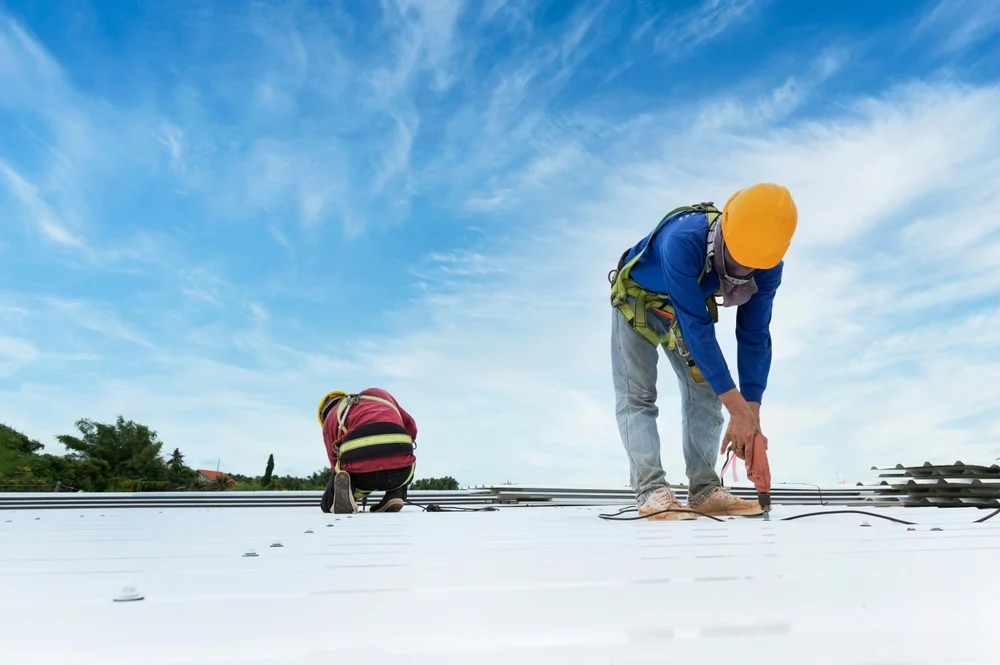
Flat roofs are a popular choice for both residential and commercial properties thanks to their modern look, cost efficiency, and ease of access. However, unlike sloped roofs, flat roofing systems require specialized care and timely repairs to remain durable and weather-resistant. Without proper attention, small issues can quickly develop into major structural concerns.
Understanding common flat roof problems and how they are repaired is the first step in protecting your property. This guide breaks down the most frequent flat roof issues, explains why they happen, and outlines effective solutions to extend your roof’s lifespan while minimizing long-term costs.
Common Flat Roof Problems Property Owners Face
Flat roofs are constantly exposed to sun, rain, wind, and debris. Over time, this exposure leads to predictable issues that require professional attention. The most common problems include ponding water, membrane damage, leaks, drainage failures, and aging materials.
Because flat roofs lack a steep slope, water does not naturally run off as quickly. When combined with clogged drains or compromised materials, moisture can penetrate the roofing system and cause interior damage. Regular inspections and prompt Flat Roof Repair help prevent minor issues from becoming expensive repairs.
Flat Roof Leak Repair: Identifying and Stopping Water Intrusion
Leaks are one of the earliest warning signs that a flat roof needs attention. They often originate from seams, flashing, drains, or punctures in the roofing membrane. Unfortunately, flat roof leaks can be deceptive because water may travel beneath the surface before appearing inside the building.
Professional flat roof leak repair begins with a thorough inspection to locate the true source of the leak. Repairs may involve sealing seams, replacing damaged flashing, patching membrane punctures, or applying waterproof coatings. Addressing leaks early not only protects your interior spaces but also prevents mold growth and structural deterioration.
Flat Roof Drainage Issues and Ponding Water
Proper drainage is essential for flat roof performance. When water collects and remains on the surface for extended periods, it accelerates material breakdown and increases the risk of leaks. Ponding water can also add excess weight, stressing the roof structure.
Flat roof drainage issues are commonly caused by clogged drains, poor installation, or roof settling over time. Solutions may include clearing debris, installing additional drains or scuppers, adjusting slope with tapered insulation, or improving drainage design. These corrections are a critical part of effective Flat Roof Repair and long-term roof health.
Flat Roof Membrane Repair and Surface Damage
The roofing membrane is the primary barrier protecting your building from moisture. Materials such as TPO, EPDM, and modified bitumen are designed to be durable, but they can still crack, blister, or separate over time due to UV exposure and temperature fluctuations.
Flat roof membrane repair may involve heat welding seams, patching damaged areas, or reinforcing weak spots. In some cases, partial membrane replacement is enough to restore performance without the expense of a full roof replacement. Keeping the membrane intact is key to preventing recurring issues.
Flat Roof Waterproofing Solutions for Long-Term Protection
Waterproofing plays a major role in extending the lifespan of a flat roof. When existing materials begin to show signs of wear but remain structurally sound, waterproofing solutions can add an extra layer of protection.
Common flat roof waterproofing solutions include elastomeric coatings, silicone coatings, and liquid-applied membranes. These products seal small cracks, reflect UV rays, and improve overall water resistance. When applied correctly, waterproofing can significantly reduce the frequency of Flat Roof Repair while improving energy efficiency.
Flat Roof Maintenance Tips to Prevent Costly Repairs
Preventive maintenance is one of the most effective ways to reduce repair costs and avoid unexpected roof failures. Routine inspections allow professionals to identify minor issues before they worsen.
Key flat roof maintenance tips include:
- Inspecting the roof at least twice a year
- Clearing debris from drains and scuppers
- Checking flashing and seams for separation
- Monitoring areas around HVAC units and vents
- Scheduling professional inspections after major storms
Consistent maintenance reduces the likelihood of leaks, drainage problems, and premature aging, keeping repair needs manageable and predictable.
When Flat Roof Repair Is Better Than Replacement
Not every roofing issue requires a full replacement. In many cases, targeted Flat Roof Repair can restore performance and add years to the roof’s lifespan. Repairs are often ideal when damage is localized, the structure is sound, and materials are still within their expected service life.
However, widespread membrane failure, extensive water damage, or repeated repair needs may indicate replacement is the more cost-effective option. A professional roofing contractor can assess the condition of your roof and recommend the best solution based on long-term value.
Professional Roofing Services
Whether you own a commercial facility or a residential property, working with a trusted local contractor ensures repairs are done correctly and safely. West Coast Roofers LLC provides expert Commercial Roofing Repair Services in Gresham, OR as well as Residential Roofing Repair Services in Gresham, OR, helping property owners protect their investments with reliable, long-lasting solutions.
From inspections to repairs and maintenance, professional service makes a measurable difference in roof performance and durability.
Why Choose West Coast Roofers LLC
Flat roofing systems require specialized knowledge, quality materials, and proper installation techniques. West Coast Roofers LLC brings experience, local expertise, and a commitment to workmanship on every project. By addressing issues early and using proven repair methods, our team helps extend roof life while minimizing disruption to your property.
If you’re noticing leaks, standing water, or visible damage, scheduling a professional inspection is the smartest next step.
FAQs
How often should a flat roof be inspected?
Flat roofs should be inspected at least twice a year and after major storms to catch early signs of damage.
What causes flat roof leaks?
Leaks are commonly caused by damaged membranes, poor drainage, aging materials, or failing flashing and seams.
Can ponding water damage a flat roof?
Yes, standing water accelerates material wear and increases the risk of leaks and structural stress.
How long does a flat roof typically last?
With proper installation and maintenance, most flat roofs last 20–30 years, depending on materials and climate.
Are repairs more cost-effective than replacement?
In many cases, yes. Timely repairs can extend roof life significantly and delay the need for replacement.
