
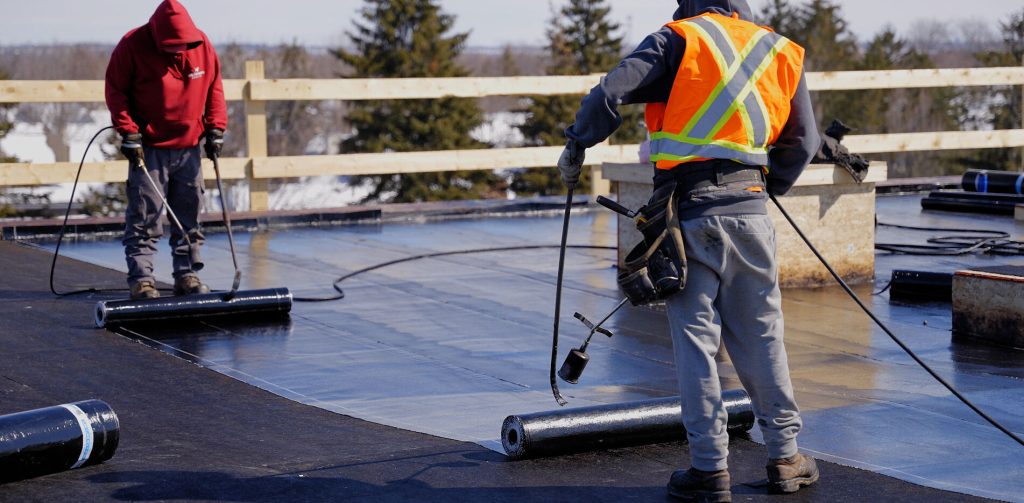
Flat roofs are an increasingly popular choice for modern homes and commercial buildings due to their sleek design, cost-effectiveness, and ease of installation. However, one challenge that sets them apart from traditional sloped roofs is drainage. Unlike pitched roofs that naturally channel water away, flat roofs require careful planning and professional expertise to prevent water accumulation, leaks, and structural damage.
Proper flat roof installation ensures that water flows efficiently off the roof, safeguarding your investment and extending the roof’s lifespan. In this guide, we’ll discuss the essential strategies, materials, and maintenance practices to achieve optimal drainage on flat roofs.
Why Proper Drainage Matters in Flat Roof Installation
One of the most common issues with flat roofs is roof ponding issues, where water pools in low spots after rainfall. Persistent ponding can lead to leaks, mold growth, and even structural deterioration over time. Proper drainage is crucial not only to prevent these problems but also to maintain the integrity of your roofing materials and insulation.
During flat roof installation, contractors focus on creating a slight slope, usually between 1/4 inch and 1/2 inch per foot, toward drains, gutters, or scuppers. This small pitch might seem negligible but is essential for preventing standing water and ensuring your flat roof functions properly.
Flat Roof Drainage Solutions
Implementing effective flat roof drainage solutions is critical during installation. Here are the most common approaches:
- Internal drains: These drains are embedded within the roof surface, channeling water through pipes that exit the building. They provide a clean look but must be regularly cleared of debris to prevent clogs.
- Scuppers and downspouts: Scuppers are openings on the roof’s perimeter that direct water into downspouts, carrying it safely away from the structure.
- Slope and tapered insulation: Even slight slopes or tapered insulation boards can guide water toward drainage points, reducing ponding.
Choosing the right combination of drainage solutions depends on the roof’s size, design, and intended use, making professional installation essential.
Selecting the Right Materials for Flat Roof Waterproofing
A key part of preventing water-related issues is flat roof waterproofing. High-quality roofing membranes provide a barrier against leaks and protect the underlying structure. Common materials used include:
- TPO (Thermoplastic Polyolefin): Durable, energy-efficient, and resistant to UV rays.
- EPDM (Ethylene Propylene Diene Monomer): Flexible, weather-resistant, and ideal for large commercial roofs.
- PVC (Polyvinyl Chloride): Strong, waterproof, and resistant to chemicals and fire.
Pairing the right membrane with proper drainage design ensures your flat roof can withstand heavy rain and avoid costly repairs.
Commercial Flat Roof Installation Considerations
Commercial flat roof installation requires additional planning compared to residential projects. Commercial buildings often have larger roof surfaces, more rooftop equipment, and heavier traffic, making drainage an even more critical concern. Contractors like West Coast Roofers can assess these unique challenges and design systems to prevent water accumulation and structural stress.
When planning a commercial installation, it’s also essential to consider future maintenance access. Strategically placed drains, scuppers, and safe walkways reduce the risk of damage during inspections and repairs.
Flat Roof Maintenance Tips to Extend Lifespan
Even with expert installation, ongoing flat roof maintenance tips are necessary to keep drainage systems effective:
- Regular inspections: Check for ponding water, membrane damage, and clogged drains, especially after storms.
- Clean gutters and scuppers: Ensure water flows freely off the roof by removing debris regularly.
- Repair minor issues promptly: Address small cracks, tears, or blisters immediately to prevent bigger problems.
- Check waterproofing layers: Over time, UV exposure and weather conditions may weaken membranes, requiring professional maintenance or replacement.
Implementing these maintenance practices can extend your flat roof’s life by several years and help you avoid expensive repairs down the line.
Choosing the Right Professionals
A successful flat roof installation starts with hiring experienced contractors. When seeking Commercial Roofing Installation Services in Gresham, OR, partnering with a reputable company like West Coast Roofers ensures that drainage, waterproofing, and materials are handled correctly from day one. Professional installers can also provide advice on long-term maintenance and cost-effective solutions tailored to your building’s specific needs.
FAQs
- How do I know if my flat roof has proper drainage?
Check for standing water after rainfall. Even small puddles that last more than 48 hours indicate inadequate drainage. - What is the lifespan of a flat roof with proper drainage?
With professional installation and maintenance, flat roofs can last 20–30 years, depending on materials used. - Can I install a flat roof myself?
DIY flat roof installation is risky. Proper drainage and waterproofing require expertise and specialized materials. Hiring professionals is highly recommended. - How often should I inspect my flat roof?
At minimum, inspect your roof twice a year in spring and fall and after major storms to ensure drains are clear and membranes are intact. - Are flat roofs suitable for commercial buildings only?
No. Flat roofs are common for both residential and commercial properties, but commercial installations require more advanced drainage planning due to larger surfaces and higher load.
Proper flat roof installation is about more than just laying down a roof. It involves designing a system that channels water safely, prevents leaks, and protects your building for years to come. By focusing on flat roof drainage solutions, waterproofing, and ongoing maintenance, property owners can enjoy the aesthetic and functional benefits of a flat roof without the worry of water damage.
For reliable Commercial Roofing Installation Services in Gresham, OR, West Coast Roofers offers expert installation, durable materials, and tailored solutions to ensure your flat roof stands the test of time.